Showing posts with label hill tribes. Show all posts
Saturday, February 2, 2013
Too beautiful not to include
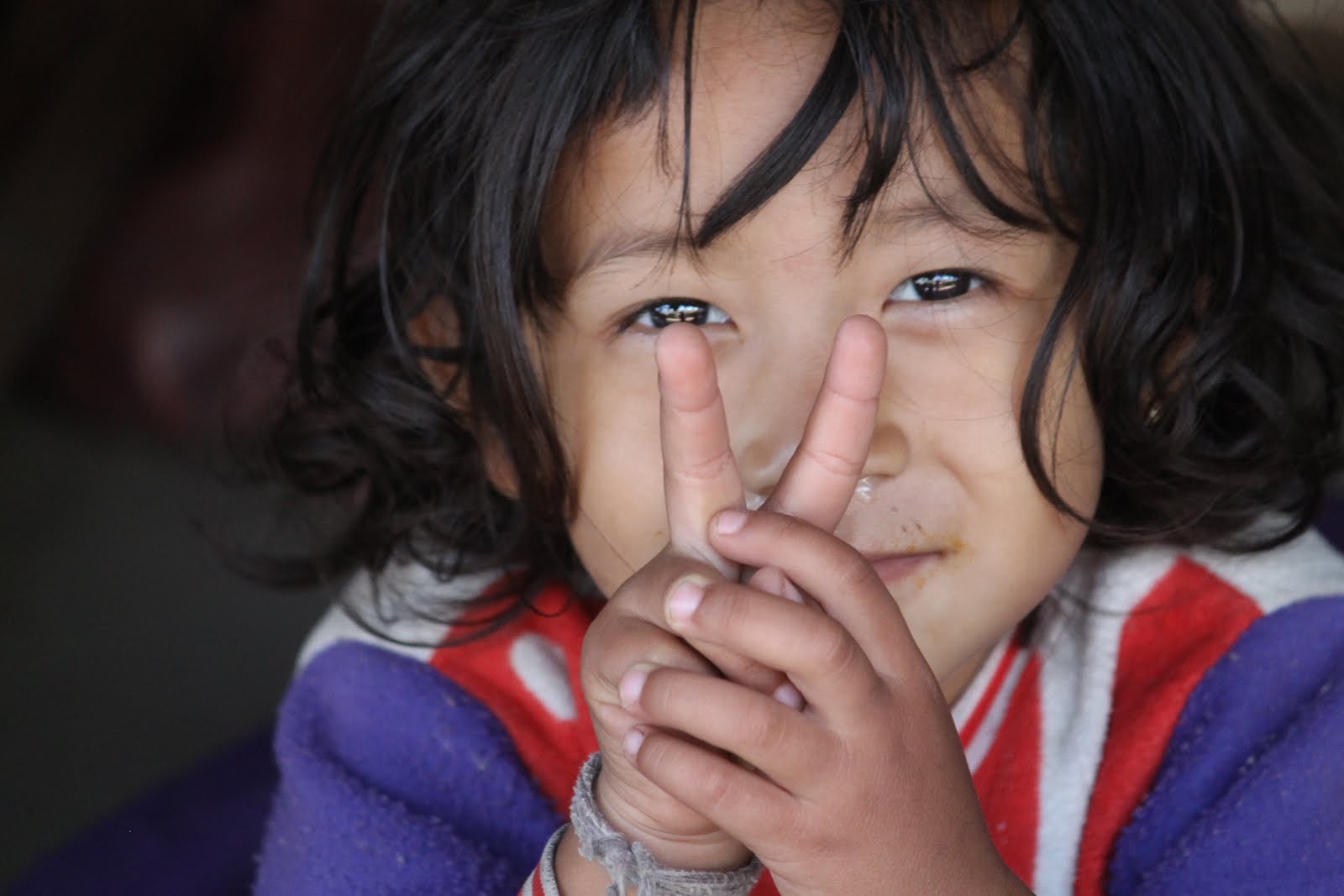
Other hill tribes represented include the Lahu Shi Bala, also originally from an area near Tibet. I am not sure that I photographed someone from this tribe, so in the interests of trying to maintain accuracy, will just include some images from our visit that will help portray the feel of what we experienced, without allocating the images to a specific tribe in case I get it wrong.
31.1.2013
Karen hill tribes
Karen tribes seem to be divided into a number of sub groups. The mahouts we met at Patara Elephant Farm, were for the main part Karen and the tunics we wore for the day were definitely Karen. This tribe is renowned for its beautiful weaving, mostly cotton and some hemp if I understood correctly. Colours cover reds, pinks, greens, blues, purples, a veritable rainbow once the colours mix in the weaving process.
We observed Karen women at Baan Tong Luang weaving, using traditional methods, with threads going around their waists and secured to a post to maintain correct tension. The work they were doing was beautiful, with simple cotton threads combining to produce gorgeous, textured cloth which they make into scarves and table runners.
These people were very friendly, and happily welcomed us to their village. The women tend to wear striped, woven trousers with colourful embroidered tunics of a dark blue or black. The headdress they wear is a simple piece of cloth wrapped around their head.
Originally from Tibet, the Karen came to Myanmar from China, and now, being so close to the border have some groups in Thailand after escaping persecution from the government of Myanmar.
31.1.2013
Labels:
Baan Tong Luang,
Chiang Mai,
dress,
embroidery.,
hill tribes,
Karen,
Myanmar
Friday, February 1, 2013
Yao hill tribe
The Yao (official name) or Mien (what they refer to themselves as) tribes, originally from China, dress in dark shirts and pants which feature the beautiful embroidery these people are famous for. Men have embroidery on their shirts and trousers. While women have embroidery on their pants, their tops are fairly plain. That is until you come to the vivid red ruff running around like a collar. This goes around the neckline of their shirt, then runs on either side down the front of their shirt, luxurious and thick. A dark turban is also worn by the women, with the ends again sporting embroidered embellishments.
The patterns are quite geometric in design and are often stitched onto either very dark cloth, or light cloth. Seeing the women working on their embroidery was much appreciated by this girl who struggles to sew on a button. Women sit for hours on end quietly stitching away, with their supplies in a plastic crate at their feet, not a pattern in sight. Utilising a limited number of traditional patterns seems to be the norm across a number of the hill tribes based on what we saw regardless of whether they were working in embroidery, weaving, batik or silversmithing.
Considering the amount of work in these hand stitched pieces they were reasonably priced, so we bought a couple to take home with us.
31.1.2013
Labels:
Baan Tong Luang,
embroidery.,
hill tribes,
Mien,
Yao
Baan Tong Luang
A visit to Baan Tong Luang was both unexpected as it was not on our original list to do, but has also quickly become a highlight of our trip - for both of us. That said, this ecotourism spot seems to cop a lot of discussion on the Internet. Both positive and negative. For me, it is one of those places that you must experience for yourself, then act upon how you respond to it. If it is good, recommend it to like minded friends, if it is not your thing, then don't. Your call.
So, what is it? Baan Tong Luan is a centre less than half an hour from where we are staying. It is a working village established by the Thai government, inhabited by seven different tribes of hill people's from Myanmar, across the Thai border. The aim is to provide safe accommodation for a limited number of refugees, in an environment close to their traditional way of living. This allows continued access to traditional ways of life for the inhabitants, but also allows visitors to gain some insight into specific customs, handicrafts, authentic dress etc.
For me the thing that swings the village into being a positive thing is what these people face if not allowed to cross into Thailand, between the political situation and impact of the drug market, they have little chance of being able to live with dignity.
Some people comment that living this way, where tourists pay a fee to visit, observe and photograph people is akin to living in a zoo. I disagree. At 500 Thai bhat it is one of the more expensive places to visit, butbthe entrance fee allows free access into the village, enables you to take photographs, and enables visitors to buy as they want to, not under duress. we were not hassled once during our visit.
It was evident which people were happy to be photographed, and which chose not to. Many in fact "presented" themselves to the camera, when a more natural shot would have been preferred. I soon became adept at taking the posed photos to make them happy as this is what they think people expect, then take others once they are engaged elsewhere.
Either way, these people seemed genuinely happy. There were a number of children and new babies happily shown to me when I stopped to chat with their Mums.
We laughed with one elderly gentleman and his wife when Frank insisted on buying (and wearing) a traditional palm frond hat, and giggled endlessly with one girl and her friend when it became evident that I had sat on the swing the wrong way - to their delight!
More about the individual tribes and other points of interest soon.
31.1.2013
Subscribe to:
Posts (Atom)