Showing posts with label Baan Tong Luang. Show all posts
Saturday, February 2, 2013
Too beautiful not to include
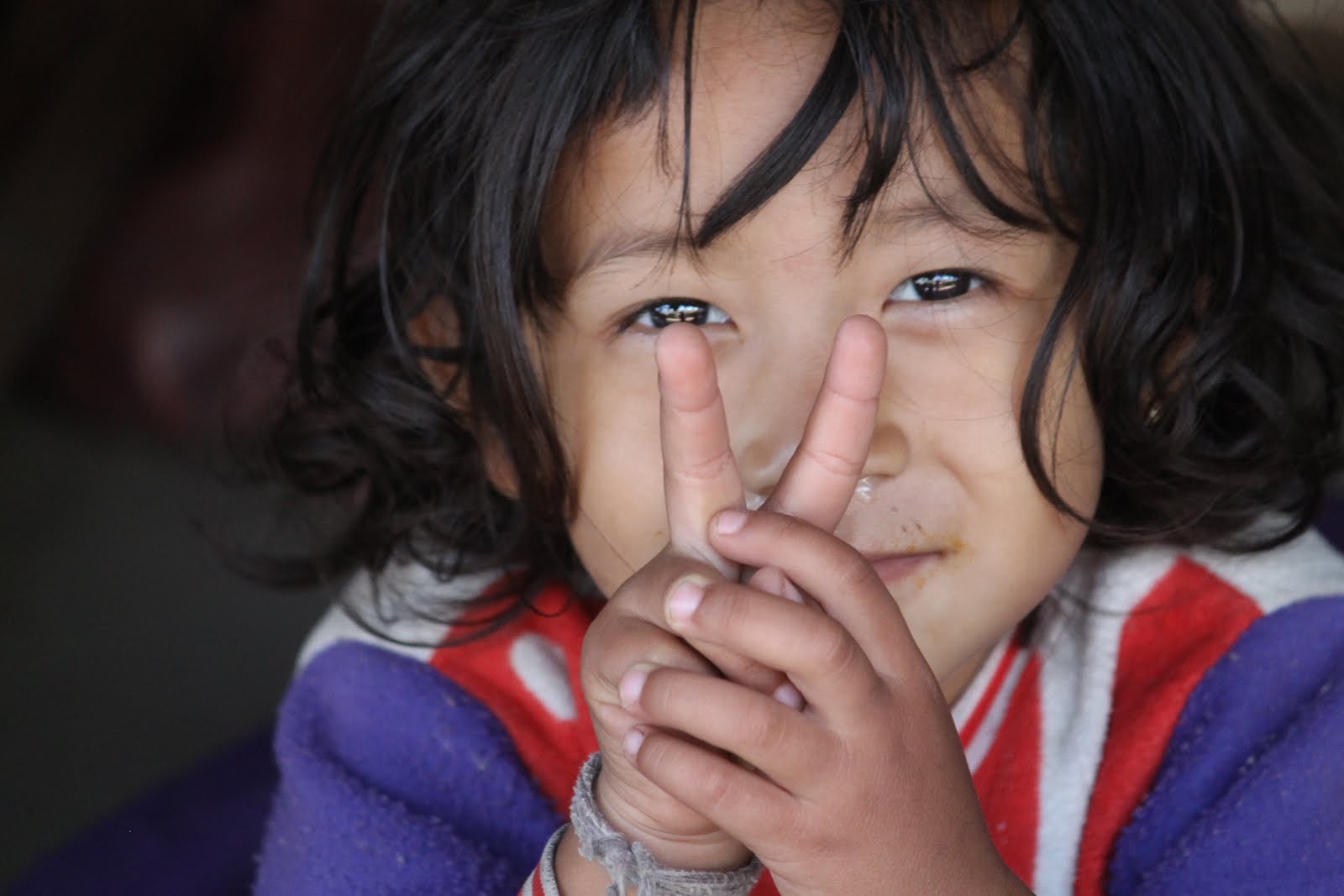
Other hill tribes represented include the Lahu Shi Bala, also originally from an area near Tibet. I am not sure that I photographed someone from this tribe, so in the interests of trying to maintain accuracy, will just include some images from our visit that will help portray the feel of what we experienced, without allocating the images to a specific tribe in case I get it wrong.
31.1.2013
Palong tribe
One tribe wore amazing silver belts as the key element of their dress. The beaten, decorated silver is worn in a long wide loop around their hips. The Palong call these loops "Nong Long". Combined with the embroidery which I was now beginning to expect, this tribal dress was quite beautiful. The women though, looked to be from a different ethnogeographical background to some of the other tribes. It is evident there is much to learn about the subtle differences within and between these hill tribes. As for our visit, learning a little, and seeing the subtle beauty within the handicrafts meant that for me, the visit to Baan Tong Luang was well worthwhile.
31.1.2013
Labels:
Baan Tong Luang,
Chiang Mai,
hill tribe,
Palong,
silver.
Karen hill tribes
Karen tribes seem to be divided into a number of sub groups. The mahouts we met at Patara Elephant Farm, were for the main part Karen and the tunics we wore for the day were definitely Karen. This tribe is renowned for its beautiful weaving, mostly cotton and some hemp if I understood correctly. Colours cover reds, pinks, greens, blues, purples, a veritable rainbow once the colours mix in the weaving process.
We observed Karen women at Baan Tong Luang weaving, using traditional methods, with threads going around their waists and secured to a post to maintain correct tension. The work they were doing was beautiful, with simple cotton threads combining to produce gorgeous, textured cloth which they make into scarves and table runners.
These people were very friendly, and happily welcomed us to their village. The women tend to wear striped, woven trousers with colourful embroidered tunics of a dark blue or black. The headdress they wear is a simple piece of cloth wrapped around their head.
Originally from Tibet, the Karen came to Myanmar from China, and now, being so close to the border have some groups in Thailand after escaping persecution from the government of Myanmar.
31.1.2013
Labels:
Baan Tong Luang,
Chiang Mai,
dress,
embroidery.,
hill tribes,
Karen,
Myanmar
Friday, February 1, 2013
Akha hill tribe
I find it refreshing in a non stop world, that even without language in common people can communicate - if they choose to. Smiles and laughter go a long way to making friends across international barriers, and the people within the Baan Tong Luang village know this.
Visiting the Akha group proved this to me. Of all of the hill tribes represented here, this group have the most ornate headdresses. Almost conical in shape, there are variations within the group, some being more trapezoid. The thing they all have in common is the richly coloured embroidered decoration and addition of silver detail. They really are quite eye catching, and seem almost impractical, yet this is the traditional head gear that this tribe is known for.
The rest of their dress is again mostly black with the women wearing black long sleeved tunics over black skirts, with embroidered detail, and colourful leggings visible below their skirts. Coloured fabric panels and necklaces finish off their outfit.
This group seemed to have more of the imported materials available for sale, rather than hand made items, so we did not buy anything. That said, they seem happy enough with this decision and at no time were we pressured with a sales pitch to buy.
On a flat expanse at the top of the incline where the Akha had their stalls was the largest swing I have ever seen. Suspended from four huge bamboo poles joined at the top in the style of a teepee, with thick rope suspended and a wooden plank insert to sit on. I couldn't help myself and jumped on. The swing itself was hung quite low, so it was awkward to swing on without scraping my feet, and I had to negotiate the bamboo supports. A swing though always brings a smile to your face. It was only as I heard lots of laughter from the two women nearby that I realised something more was happening. Getting off, one of them came over to the swing and spent some time readjusting the ropes and the seat. Then her friend came over, swung in the opposite direction to which I had been going (no bamboo poles in the way), but stood on the board, rather than sitting. Oops. No issues with scraping feet. Then, still laughing she went back to her stall. The second women, much younger, then dusted off the wooden bench, and sat down to swing, as I had, but still in the opposite, and obviously correct, direction. By this time we were all laughing, it was infectious. No communication issues, it was just pure fun, and a highlight of my morning.
It was only on getting back to the resort that I was able to do a bit of research and find out more about the significance of the swing. Apparently it is used in a ceremony once a year, between August and September as a means of seeking luck for a good harvest of the tribes crops. Each year, after the ceremony the bamboo swing is taken down and replaced with a new one.
Labels:
Akha,
Baan Tong Luang,
headdress.,
hill tribe,
swing
The Hmong
Originally from Mongolia, the Hmong came to Thailand, Vietnam and Lao via China to seek a better life and warmer temperatures for their people. Traditional dress is a black top with pants, with women sometimes wearing a knee length skirt over the pants. An additional panel of fabric is often worn by the women like an apron, hanging from the waist down. This panel, in addition to the skirt and front of the skirt is highly decorated with lace embroidered edging in addition to silver embellishments such as bangles, ear rings and cuffs.
Craft wise the Hmong are known for their batik fabric work. This is generally intricately patterned, but restricted to a simple colour palette eg dark blue and white. We talked to a young women about the work her Mum makes. She showed us her waxing station and tried to explain the process to me. Luckily I knew enough to explain the process to Frank, and to recognise the value of the originality of the pieces she had available for sale. We bought one large cloth from Mum, large enough to cover my table, or as a throw over on the bed. It is simple in design, but quite beautiful.
The girls Dad was also working nearby. A silversmith he starts from silver beads, then using basic metal smithing skills makes silver cuffs. The patterns inscribed into the silver are quite simple geometric patterns, but are traditional Hmong designs. We bought one for me to wear the same as the one his wife was wearing.
It was nice to be able to buy some handicrafts within the village made on site, by the villagers. There is still a large percentage of Chinese imports readily available to purchase throughout the village. You get the feel for what is mass produced pretty quickly, once you see the same items too often and too cheap. It really is worth paying a little more and getting original work that the women are making, seeing the process and gaining the value of a genuine piece.
31.1.2013
Labels:
Baan Tong Luang,
batik,
hill tribe,
Hmong,
silver.,
silversmith
Yao hill tribe
The Yao (official name) or Mien (what they refer to themselves as) tribes, originally from China, dress in dark shirts and pants which feature the beautiful embroidery these people are famous for. Men have embroidery on their shirts and trousers. While women have embroidery on their pants, their tops are fairly plain. That is until you come to the vivid red ruff running around like a collar. This goes around the neckline of their shirt, then runs on either side down the front of their shirt, luxurious and thick. A dark turban is also worn by the women, with the ends again sporting embroidered embellishments.
The patterns are quite geometric in design and are often stitched onto either very dark cloth, or light cloth. Seeing the women working on their embroidery was much appreciated by this girl who struggles to sew on a button. Women sit for hours on end quietly stitching away, with their supplies in a plastic crate at their feet, not a pattern in sight. Utilising a limited number of traditional patterns seems to be the norm across a number of the hill tribes based on what we saw regardless of whether they were working in embroidery, weaving, batik or silversmithing.
Considering the amount of work in these hand stitched pieces they were reasonably priced, so we bought a couple to take home with us.
31.1.2013
Labels:
Baan Tong Luang,
embroidery.,
hill tribes,
Mien,
Yao
Subscribe to:
Posts (Atom)